分析:为什么2022年F1会更快
https://the-race.com/formula-1/why-2022-f1-cars-will-be-faster-than-expected/
FIA单座赛车技术总监曾经预测过,由于新规的实施,2022赛季初车速会每圈慢3-5秒,但在赛季收尾时,速度可能反而更快。
1. 慢3-5秒的原因:
(1)新规简化了上车身的空气动力学。为了终止过去12年中F1遇见的紊流问题,新规规定要使用不可调节的前翼和尾翼,将导致下压力减小。同时,也难以创造密度更大、能量更强的空气漩涡增强下压力。
(2)新规增加了车的重量。2019年计划增加23公斤,但随后分别计划再增加17公斤和2公斤,所以到2022年,车的重量将达到792公斤。
(3)新规规定至少使用10%的可持续乙醇燃油,将使车速下降20bhp
2. 更快的原因:
(1)文丘里管的回归能增加下压力,特别是在过高速弯时效果尤其明显。
(2)倍耐力18英寸新轮胎的侧壁更小,更利于装卸;并且新轮胎更耐高温,车手能够更多地压榨速度
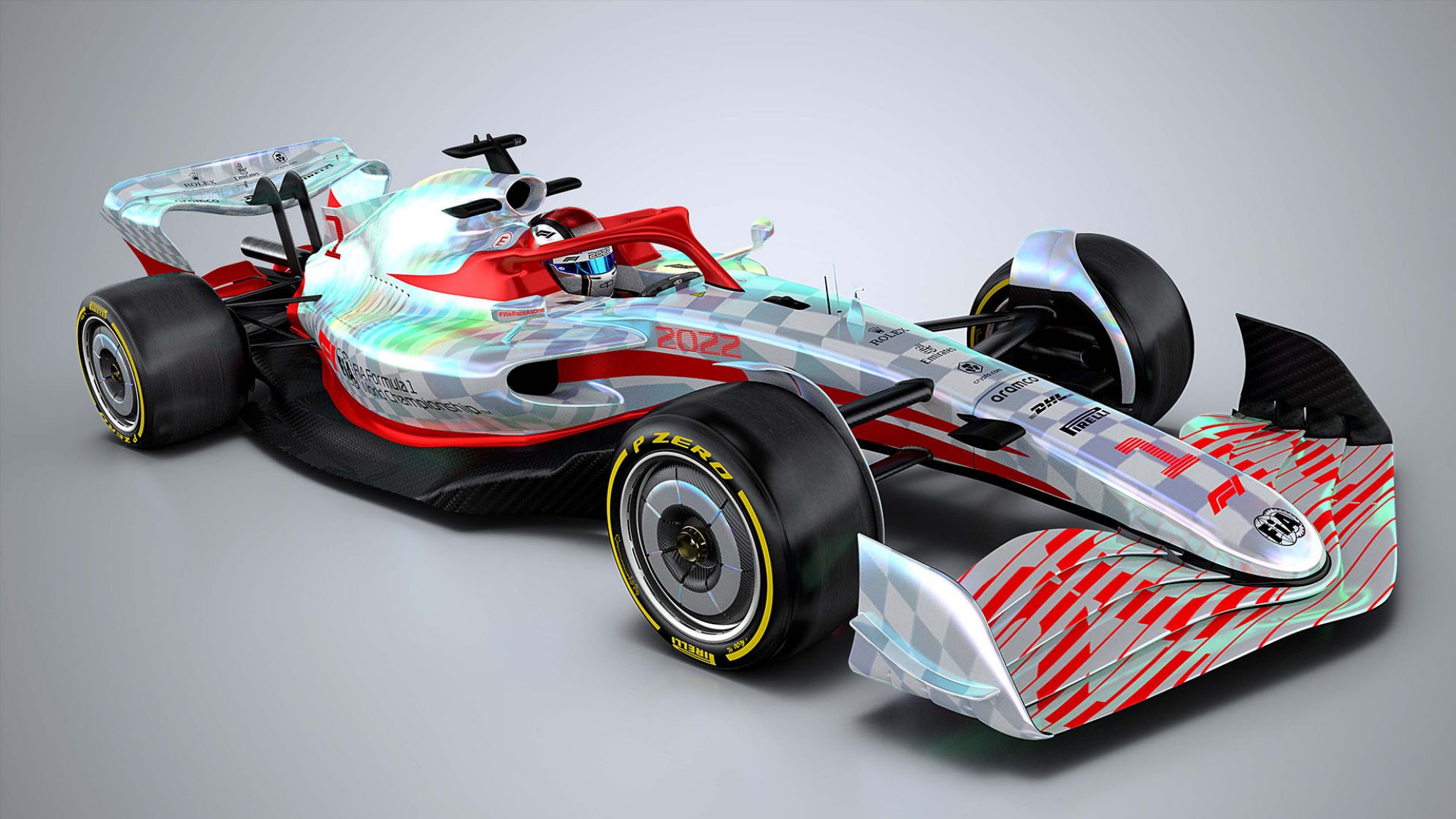
When Formula 1’s new-for-2022 technical regulations were announced ahead of the United States Grand Prix three years ago – then intended for introduction in ’21 before the COVID-19 pandemic triggered a one-year delay – the expectation was that the cars would be “approximately between 3-3.5 seconds slower per lap” than the current cars.
That was according to the FIA’s head of single-seater technical affairs Nicholas Tombazis. Yet in a recent interview with Germany’s Auto Motor Und Sport, Pat Symonds suggested next year’s cars might start the season on average just half-a-second slower and even floated the possibility they might be even faster by the end of the season.
So why the change? Well, it’s not that Tombazis’s original estimate was wrong, given there are myriad reasons why the dramatically different rules would hit the performance potential hard.
There are good reasons why the rules should increase laptimes. Firstly, the 2022 regulations hugely simplify the top-body aerodynamics. That means less downforce from the firmly-regulated front and rear wings, which are tightly-prescribed in order to eliminate the outwash aerodynamics that have made F1’s turbulence problems worse over the past 12 years.
Not only does this mean the potential for generating downforce is reduced, but it also makes it much harder to create the complex, high-energy vortices that have been used to seal the underfloor thanks to the elimination of bargeboards and front wing changes.
Secondly, the weight of the cars will be increased, even more so than when Tombazis made his prediction. Back in 2019, the plan was for a 23kg weight rise but since then, a further 17kg has been added with the last 2kg incorporated into the technical regulations in the middle of this month. This means that cars will weight 792kg, including driver and equipment, at the start of 2022.
Thirdly, while the power unit regulations are effectively the same next season, there is a change in the fuel. This must now comprise 10% sustainable ethanol. The fuel companies are still developing their formulations but it’s understood that this is translating into a loss of approximately 20bhp.
But there are areas where the rules should allow more performance to be generated. The return of ground effect venturi tunnels down each side of the car means a potent new force of downforce that simulations suggest os working particularly well for high-speed corners, which means potentially more downforce than the current cars.
Also, the low-profile tyres for the 18-inch rims that drivers have reported are more reactive on turn in. This is logical given they have smaller sidewalls and therefore load up more quickly, but combined with the fact the 2022 Pirellis do appear less temperature sensitive and allow drivers to push more this is another potential source of performance.
But the key thing that has changed is that time has passed. The 10 teams have thrown a combined total of thousands of staff at the new cars and inevitably have found new avenues of performance to explore. The change from a 3-3.5s rise to half-a-second (factoring in that the 2021 cars are a similar pace, if very slightly slower, than the ’19 machines thanks to this year’s small but significant aerodynamic tweaks focused on the floor) is not a massive swing but by aggregating a significant number of small gains, it can easily be made up.
All of the teams have been conducting simulation work, including using the driver-in-loop simulators that mean the current drivers have been able to sample the new machines, albeit only virtually.
And Symonds’ own technical team is doing the same thing as part of its ongoing process of understanding and even refining the regulations. As was explained in 2019, there have even been attempts to ‘break’ the new regulations and identify ways that teams could gain advantages by exploiting loopholes.
Even so, teams will have found ways to design the cars that go beyond what F1 originally intended. For example, the show car that was revealed at the British Grand Prix in July is best described as a ‘vanilla’ version of the 2022 cars – broadly accurate but lacking in the myriad details that teams have been working on to get the best out of the machines. Even F1’s own simuation models have become more complex, and are the basis of Symonds’ predictions.
The new rules are certainly hugely prescriptive, offering comfortably the least freedom in grand prix history. But as past rule changes have shown us, the ingenuity of teams is boundless when it comes to finding avenues to explore and find performance.
It remains to be seen how fast the next-generation will really be, but we can confidently expect them to be seriously fast and perhaps even, with time, eventually even quicker than the current cars.